Local Souvenirs: Shop in Bacolod
By Lara Villanueva / Feb 16
Are you ready to uncover the secrets to a budget-friendly adventure in Bacolod? With careful planning and a keen eye on expenses, you can explore the City of Smiles without breaking the bank. Let’s delve into the essentials you need to know for a memorable trip!
This visual breaks down the daily expenses and highlights key considerations for a budget-friendly trip to Bacolod.
Total Daily: ₱2,300
Seasonal Weather:
Major Festivals:
Are you dreaming of an adventure in Bacolod but worried about the costs? Don’t fret! Planning a budget-friendly trip to the City of Smiles is entirely possible with a little foresight. Let’s dive into some essential considerations that will help you manage your expenses without missing out on the vibrant experiences Bacolod has to offer!
Understanding the costs associated with your trip will help you allocate your budget effectively. From accommodation to transport, let’s break it down!
When planning your budget, it's crucial to consider daily expenses in Bacolod. Here’s a handy breakdown:
With these estimates in mind, you can plan a budget that keeps financial stress at bay while allowing you to indulge in Bacolod’s delicious local cuisine!
Here’s a quick daily expense estimate to help you gauge your budget:
In total, you might spend around ₱2,300 per day, making it a reasonable option for travelers looking to explore Bacolod without breaking the bank!
While Bacolod is generally affordable, it’s wise to keep an an eye out for some hidden costs that can sneak up on you. Here are a few to consider:
Being aware of these potential expenses will help you stick to your budget and enjoy your Bacolod adventure!
The timing of your visit can significantly impact your travel budget. Let’s explore how seasonal weather and local events can shape your trip!
Bacolod has a tropical climate, with a wet season from June to November and a dry season from December to May. Traveling during the dry season can often lead to higher prices for accommodations and flights.
Choosing to visit during the shoulder months can save you some money while still allowing you to enjoy Bacolod’s charm!
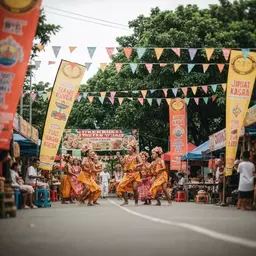
One of the best ways to experience Bacolod is by timing your visit with one of its famous festivals. Here are a couple you shouldn’t miss:
While hotels might be more expensive during these events, the vibrant atmosphere and unique experiences are worth it!
As you plan your Bacolod adventure, what aspect of your trip are you most excited about? Is it the local cuisine, the vibrant festivals, or perhaps the warm hospitality of the people? Share your thoughts with us!
A reasonable average daily budget for a budget-friendly trip to Bacolod is around ₱2,300, covering accommodation, meals, and local transport.
Budget hotels and guesthouses in Bacolod typically cost between ₱800 to ₱2,500 per night.
You can expect to spend about ₱100 to ₱300 per meal at local eateries, making it affordable to enjoy Bacolod's cuisine.
Public transport options like tricycles and jeepneys are very economical, costing around ₱10 to ₱50 per ride.
The off-peak season, from June to November, generally offers lower prices for accommodations and flights, though you should expect some rain. For current travel alerts, always check the Philippine travel advisory.
Yes, remember to factor in potential hidden costs such as entry fees for attractions, tips for service staff, and unplanned purchases at local markets to keep your budget in check.
Now that we’ve explored the essential elements of planning a budget-friendly trip to Bacolod, let’s recap the key tips to ensure you have an unforgettable experience without breaking the bank. Remember, a well-planned trip is the first step to enjoying all the City of Smiles has to offer!
When you think about accommodation, food, and transport, a little planning goes a long way. Here are some points to keep in mind:
By following these tips, you can maximize your experience while keeping expenses manageable. Trust me, indulging in Bacolod’s rich culture and delicious food doesn’t have to be expensive!
In summary, focus on finding the right balance between comfort and cost. Affordable hotels and guesthouses in Bacolod offer a warm welcome, while local dining venues serve up amazing dishes that won't break your budget. As for getting around, using public transport or ridesharing apps can help you navigate the city efficiently without overspending.
As you finalize your itinerary, consider creating a flexible schedule that allows for spontaneity—after all, some of the best experiences in Bacolod happen when you least expect them! Don’t forget to leave room for local festivals or community events that might pop up during your stay!
Responsible travel is not just a trend; it’s a way to give back to the communities we visit. As a proud advocate for Bacolod, I encourage you to consider how your travel choices can have a positive impact.
One of the best ways to connect with the city is by supporting local businesses. Here are a few suggestions:
By choosing to support these businesses, you help sustain Bacolod’s vibrant culture and economy, making your visit even more meaningful!
As you explore Bacolod, consider implementing eco-friendly practices into your travel plans. Here are some tips:
These small changes can lead to a big impact and contribute to preserving the beauty of Bacolod for future visitors to enjoy.
You’re almost ready to embark on your Bacolod adventure! With the insights and tips shared in this guide, let’s focus on personalizing your trip for maximum enjoyment.
Take advantage of the information provided to craft your perfect Bacolod itinerary. Focus on incorporating activities and experiences that resonate with your interests while keeping your budget in check!
Start by jotting down your must-visit attractions, dining spots, and cultural experiences. Balance your itinerary by mixing in some free or low-cost activities alongside your splurges, ensuring a delightful blend of experiences!
Before you head off, consider engaging with online travel communities where you can share your plans and gather last-minute tips from fellow travelers. Platforms like social media groups or travel forums are goldmines for real-time advice from those who’ve walked the same path!
Here is a quick recap of the important points discussed in the article:
By Lara Villanueva / Feb 16
By Lara Villanueva / Feb 14
By Lara Villanueva / Feb 03